
Shared publishing with regional relevance
Editors manage content in Umbraco and show it by region and business line. Group information and regional pages come from the same system.
See the content and delivery architectureHome › Case studies › Website development
Enterprise website case study · Transworld Group
ibs Fulcro designed and built Transworld Group’s website on Umbraco and .NET Core. One domain now carries every region and business line, from one publishing system, with authoring kept off the public servers.
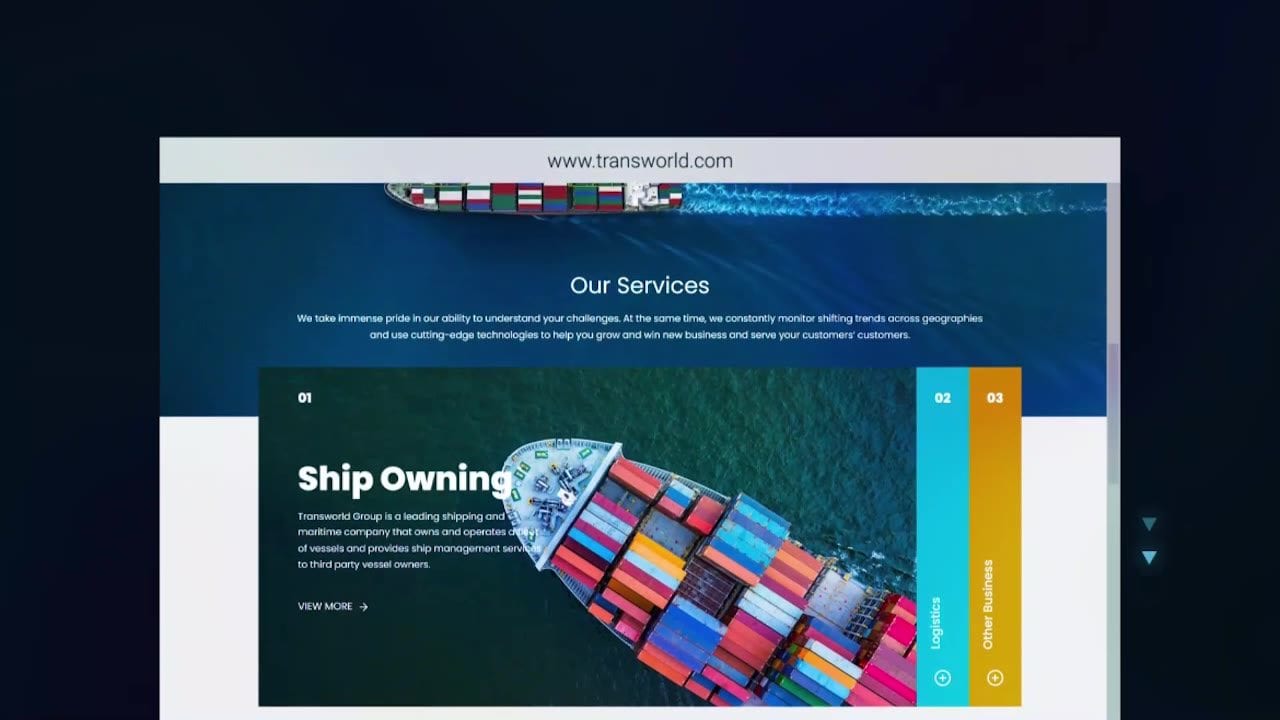
Transworld Group runs several companies and business lines across regions, each with its own audience. A visitor looking for shipping operations needs to get there directly. Someone researching the group needs the company story.
The brief was to give each business line its own content, keep group information shared, and change what a visitor sees by region, all on one domain.
We organised content by region and business line. Editors write a page once in Umbraco and it appears wherever it applies. Group information appears across the whole site.
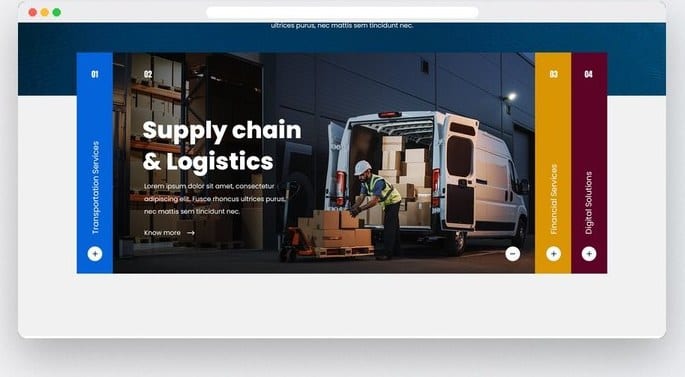
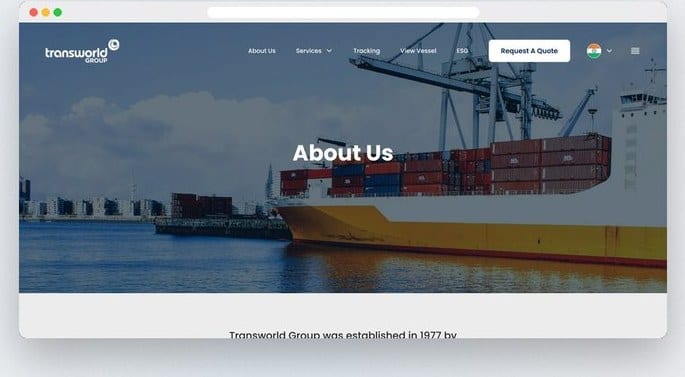
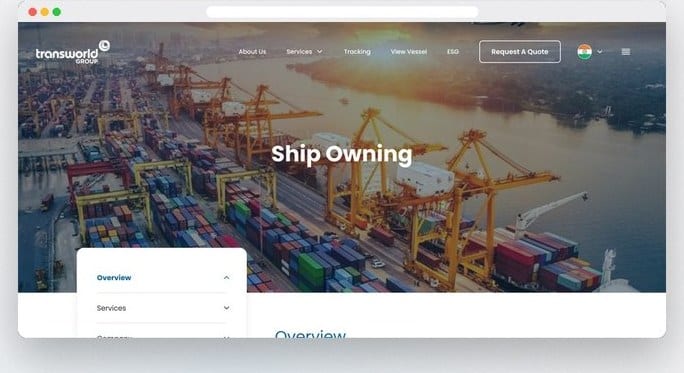
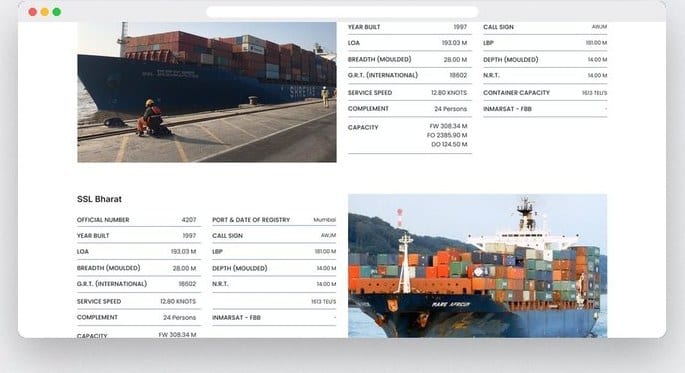
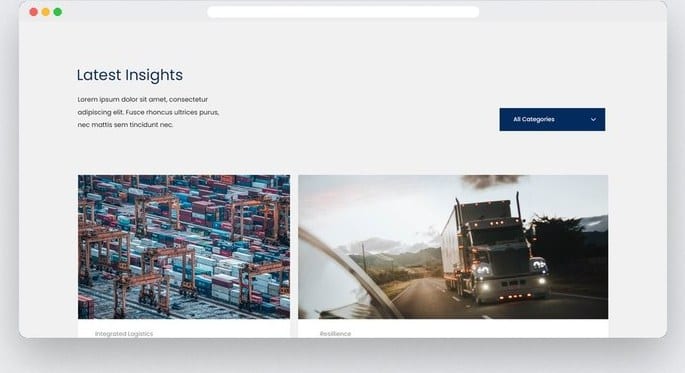
Each business line has its own pages inside the group site. The screens below show the group landing page, a business line page, company information, schedules and vessel details, and an editorial page.
See enterprise website development for how we handle content approval and integrations across markets.
The build runs in three zones. Authoring and the content database sit in the internal network. Two static web servers sit in a DMZ behind a load balancer. Amazon CloudFront caches and serves pages to visitors. Umbraco on .NET Core renders the pages and decides what each region and business line sees, and Microsoft SQL Server holds the content.
See our enterprise technology stack for the platforms we work with and their roles.
| Zone | What runs there | What it does |
|---|---|---|
| Internal network (AWS) | Authoring server | Writing and publishing content, inside the internal network. |
| Internal network | Microsoft SQL Server | The content database. |
| Internal network | Umbraco on .NET Core | Builds each page and picks the content for each region and business. |
| DMZ | Two Apache web servers | Static output delivered through the load balancer. |
| DMZ | Load balancer | Spreads visitor traffic across the web servers. |
| Internet | Amazon CloudFront | Caches pages and serves them to visitors. |
Visitors never reach the servers where content is written.
What the finished site does:
Editors manage content in Umbraco and show it by region and business line. Group information and regional pages come from the same system.
See the content and delivery architectureBusiness line pages, schedules and vessel information all sit inside the group website, so visitors never move to a separate regional domain.
See the business-line page · See schedules and vessel informationThe author server and the database sit in the internal network, apart from the delivery servers and CloudFront.
See the network zones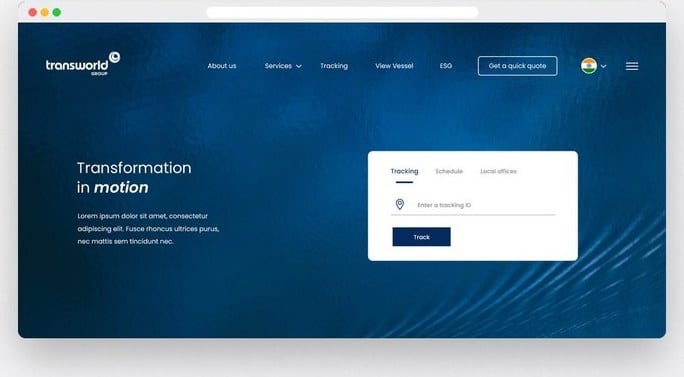
Explore our website development services for the wider process and published project pricing.
Decide who owns what first: which content belongs to the group, which to a business or region, and who approves each. Then agree how the site picks regional content and how a published page reaches the delivery servers. Those answers set the CMS model and the scope of the build.
The project used Umbraco on .NET Core with Microsoft SQL Server. The site runs on AWS, with the internal and public servers kept apart and Amazon CloudFront serving pages.
Content is organised by region and business line in Umbraco. Editors publish a page once and it appears wherever it applies on the group website.
One publishing system for the group, a set of pages for each business line, content shown by region, and authoring kept off the public servers.
We also work with Strapi, Adobe Experience Manager and Drupal. The right platform depends on how you publish, what it must link to and who approves content. Transworld Group is the Umbraco project featured here.
Tell us which companies and regions the website needs to serve, what each team should control and which systems it must connect to. We’ll discuss the content model, delivery requirements and scope with you.
Helpful starting points: your current sites, regions, business lines, CMS and target launch date.